Can a Septic Tank Freeze?
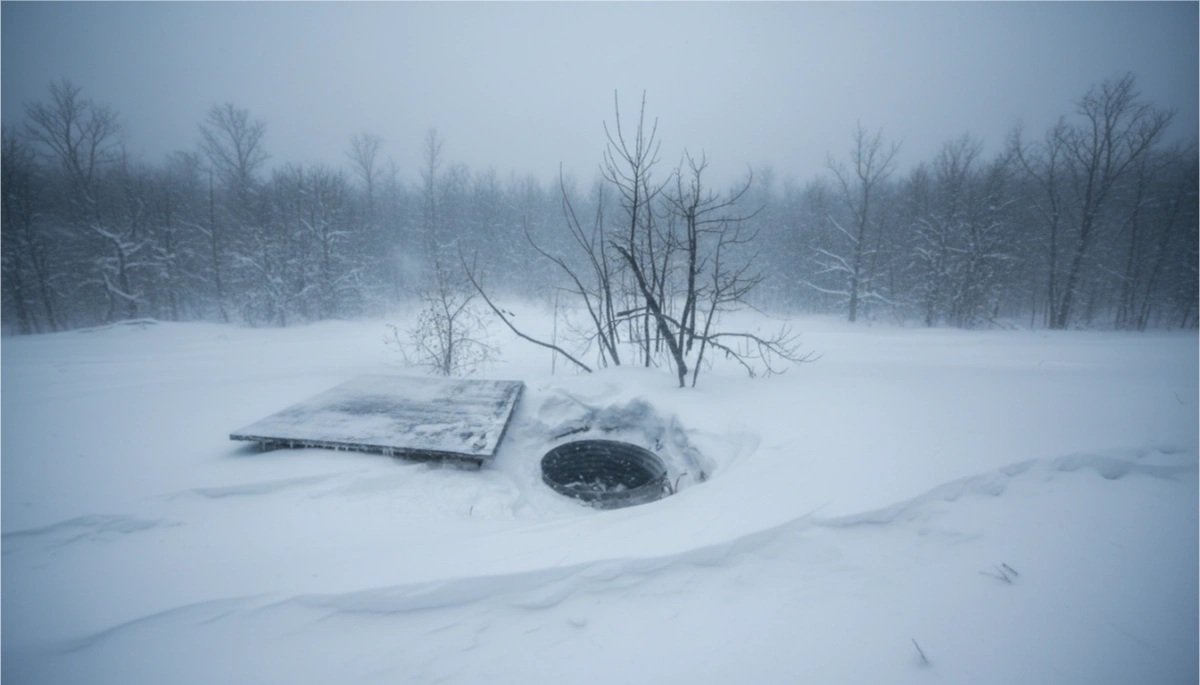
Yes. Your septic tank can freeze, and when it does, you’re looking at a problem that ranges from inconvenient to catastrophic. The question is what makes it happen and how you prevent it.
Most people assume septic tanks sit safely below the frost line. That assumption works until it doesn’t. When conditions align wrong, systems freeze even where you wouldn’t expect it.
Why Septic Tanks Freeze
Your septic system generates heat. Breaking down waste produces warmth. Water flowing through carries heat from your house. The ground provides insulation. These heat sources keep your tank above freezing when air temperature drops below zero.
Problems start when heat sources disappear. A vacant house means no water flowing. An empty tank means less biological activity. Shallow pipes or tanks above the frost line lose natural insulation.
The Fraser Valley sees temperatures below freezing regularly. Properties in Abbotsford, Chilliwack, Mission, Hope, and Langley face this risk. But freezing isn’t just about air temperature. It’s about conditions around your system.
Where Freezing Happens
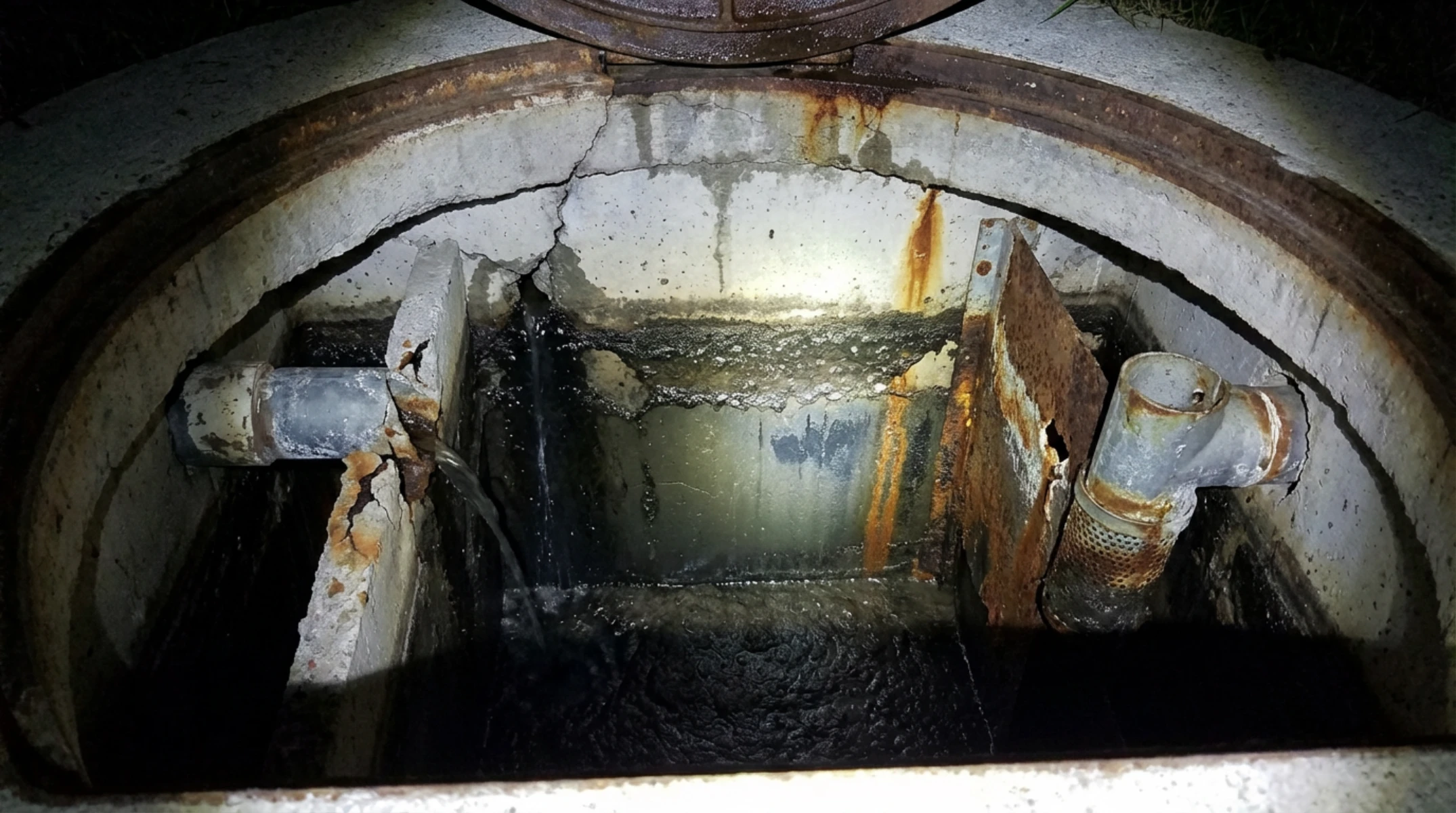
Different parts of your septic system face different freeze risks. The tank, buried several feet underground, is least likely to freeze. The trouble spots are pipes to and from the tank, drain field lines, and above-ground components like risers or pump chambers.
Inlet pipes freeze first. These carry wastewater from house to tank and are often closer to the surface. Without regular flow or proper insulation, they freeze. Once the inlet freezes, wastewater has nowhere to go.
Outlet pipes and drain field lines freeze less often because they’re deeper and benefit from tank heat. But in extended cold snaps without snow cover, these freeze too. When the drain field freezes, your tank fills faster.
The Vacant House Problem
Empty houses in winter face the highest freeze risk. Without daily water use, there’s no heat flowing through pipes. Water sitting in pipes turns to ice. Biological activity slows when there’s no new waste, meaning less heat.
Vacation properties in the Fraser Valley see this more than permanent residences. You leave for winter, and when you return in spring, nothing works. The freeze might have happened weeks earlier. By discovery, you’re dealing with frozen pipes, a full tank, and damage.
Running water periodically helps, but it’s not foolproof. The safer approach is having your tank pumped before vacancy and ensuring proper insulation.
Snow Cover Matters More Than You Think
Snow acts as insulation. Snow cover over your septic system keeps ground temperatures stable. When snow melts and refreezes, or when you get periods without coverage, ground freezes deeper.
Some winters cause more septic freezing than others. It’s not always how cold it gets. It’s whether snow protects the ground. A winter with consistent snow might see fewer problems than a winter with the same temperatures but no snow.
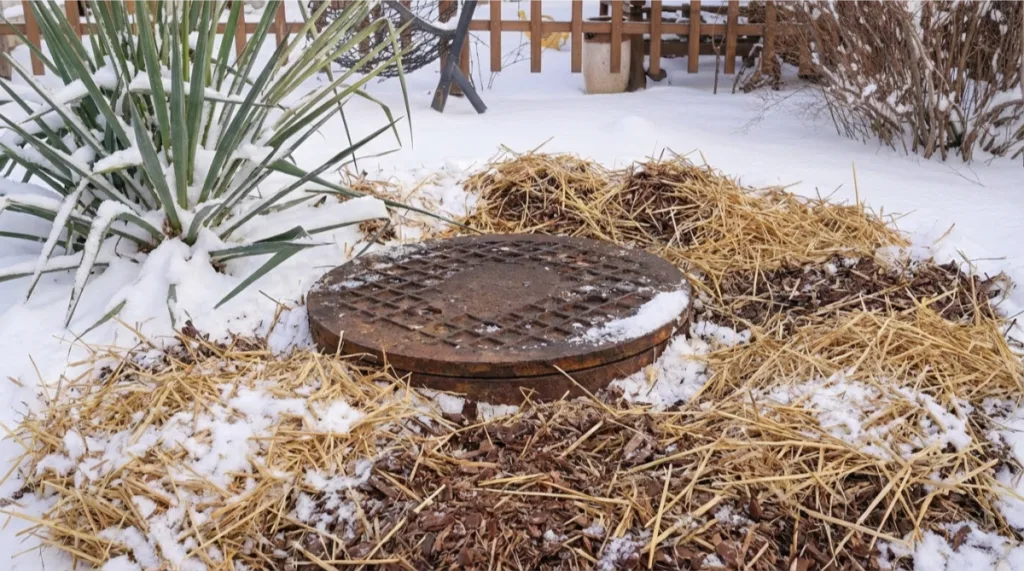
You can add your own insulation. Mulch, straw, or leaves spread over your tank and drain field create protection. Six inches of organic matter makes a difference. (For more winter preparation strategies, see our guide to preventing septic system freezing.)
What a Frozen System Looks Like
You’ll know something is wrong before you know it’s frozen. Slow drains are often the first sign. Water backing up into sinks, tubs, or showers means wastewater isn’t moving through. Toilets that won’t flush or drain slowly point to the same problem.
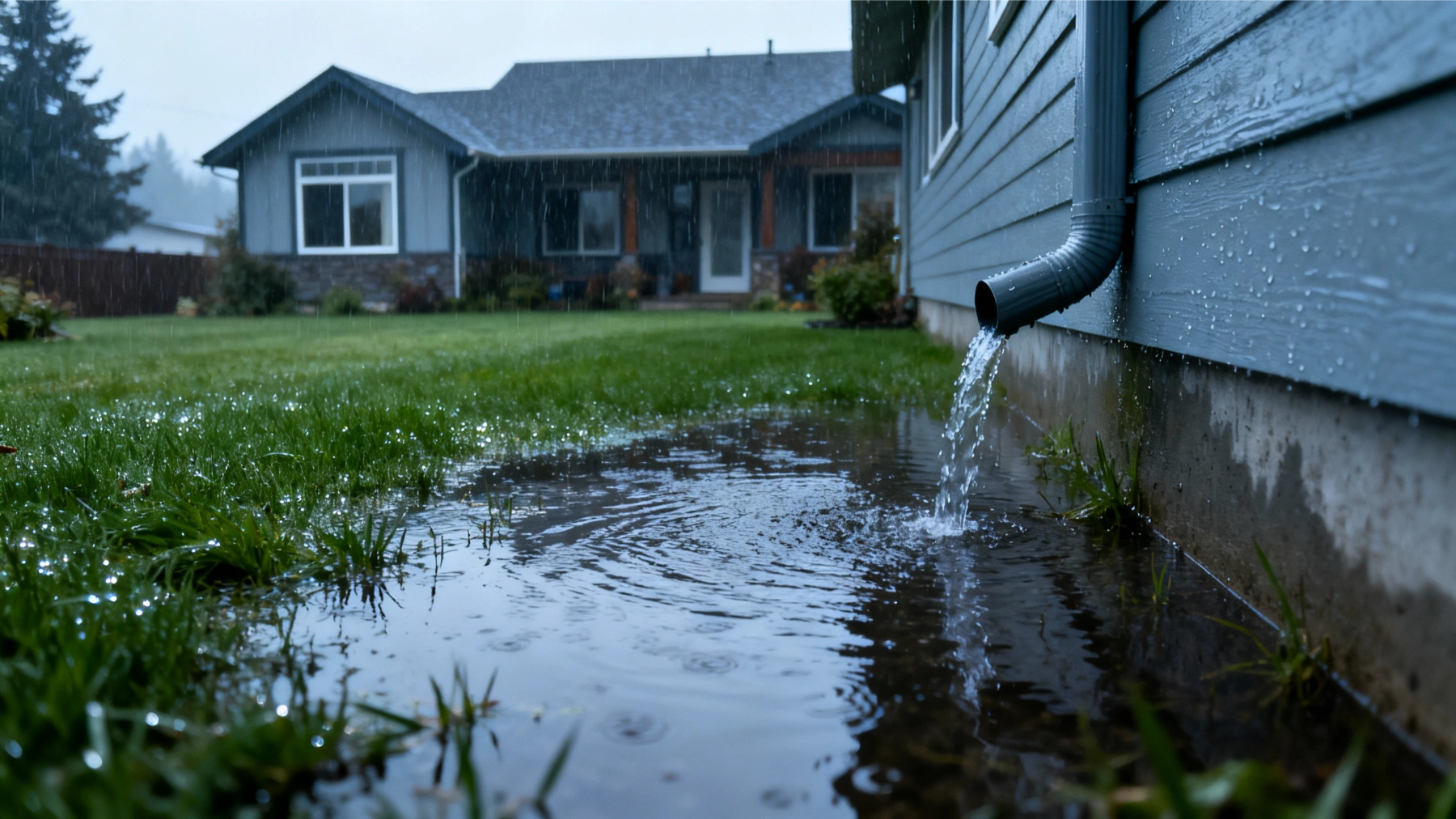
Gurgling sounds from drains mean air is trying to escape through a blocked system. Water pooling around your tank area can indicate a freeze. The smell of sewage inside or outside means wastewater isn’t going where it should.
These signs don’t automatically mean freezing. They could indicate a full tank, a clogged pipe, or a failing drain field. But during winter after days below freezing, freezing becomes likely.
Prevention Makes More Sense Than Repair
Fixing a frozen septic system is expensive. Thawing frozen pipes requires specialized equipment. If pipes cracked from ice expansion, you’re looking at excavation and replacement. Prevention costs less. (If you’re dealing with a frozen system, our emergency septic services are available 24/7.)
Keep water flowing during winter. Regular use maintains heat in pipes and keeps biological processes active. If leaving your property vacant, address it before you go. Have your tank pumped, add insulation, and consider having someone check periodically. Getting an inspection before winter helps identify vulnerabilities. Not sure when your tank needs pumping? Try our septic calculator.
Insulate exposed components. Risers, pump chambers, and pipes near the surface need protection. Insulated covers exist for this. They’re not expensive, and they prevent problems that cost thousands. The BC government recommends regular septic maintenance to avoid system failures.
Your septic system wasn’t designed to freeze. When it does, conditions overwhelmed normal heat sources. Most conditions are predictable and preventable. The difference between a system that survives winter and one that fails comes down to preparation.
Image Ideas:
- A cross-section illustration showing a buried septic tank with frozen inlet pipe near the surface versus the protected tank deeper underground, demonstrating where freezing typically occurs first in the system.
- A winter scene showing a septic tank area with proper mulch or straw insulation coverage on the ground, with snow around it, representing proper winter protection techniques for Fraser Valley properties.
- A comparison image showing two scenarios: one side with an active household with steam or warmth indicators coming from the house and flowing through pipes to the septic system, the other side showing a vacant house with frozen, icy pipes, illustrating the vacant house freezing risk.