What Is Emergency Grease Trap Cleaning?
Emergency grease trap cleaning happens when your commercial kitchen’s grease trap fails during business hours and you need immediate service to avoid shutting down. This isn’t scheduled maintenance. This is a restaurant full of customers and a kitchen that can’t function because wastewater has nowhere to go.
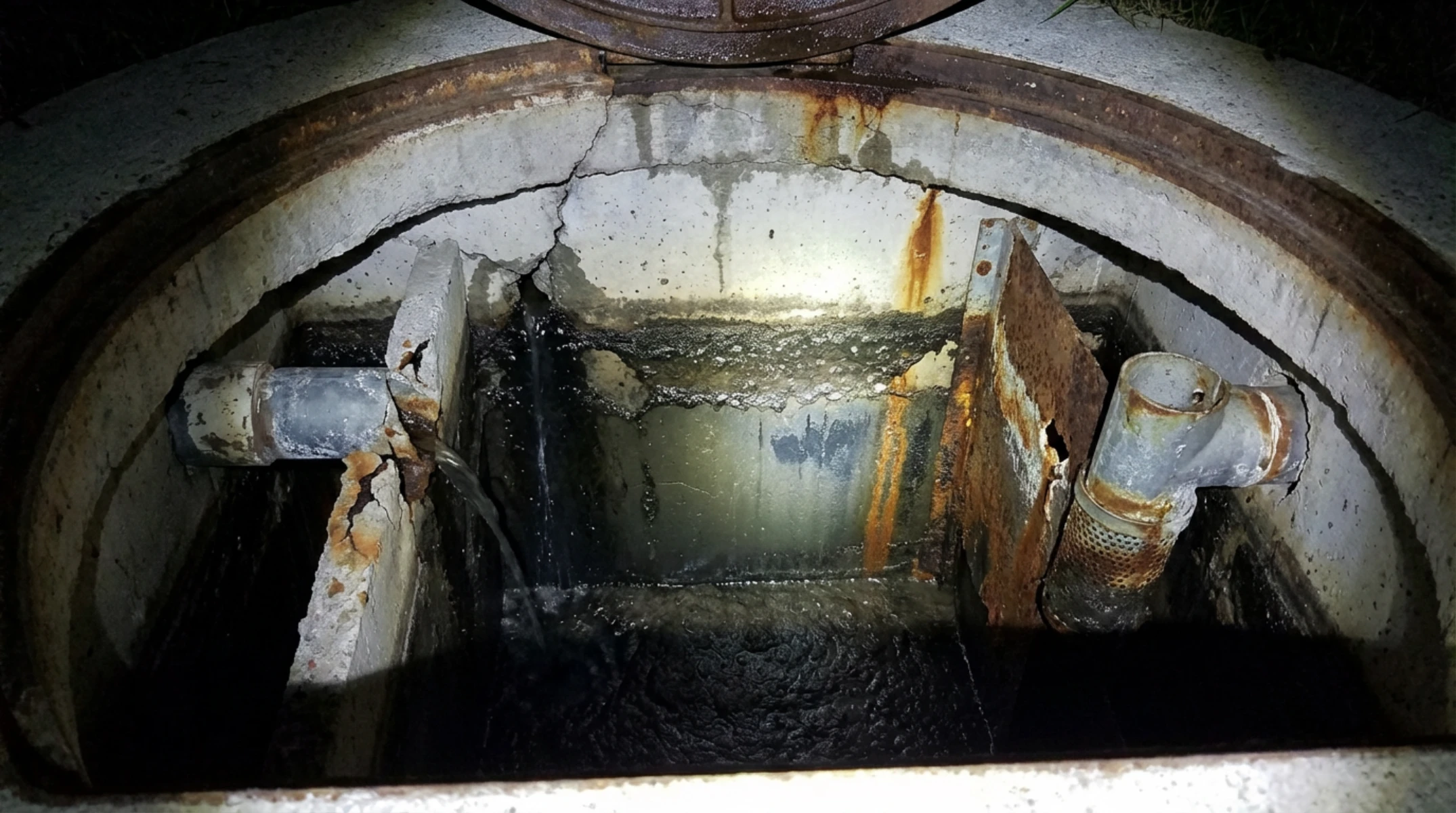
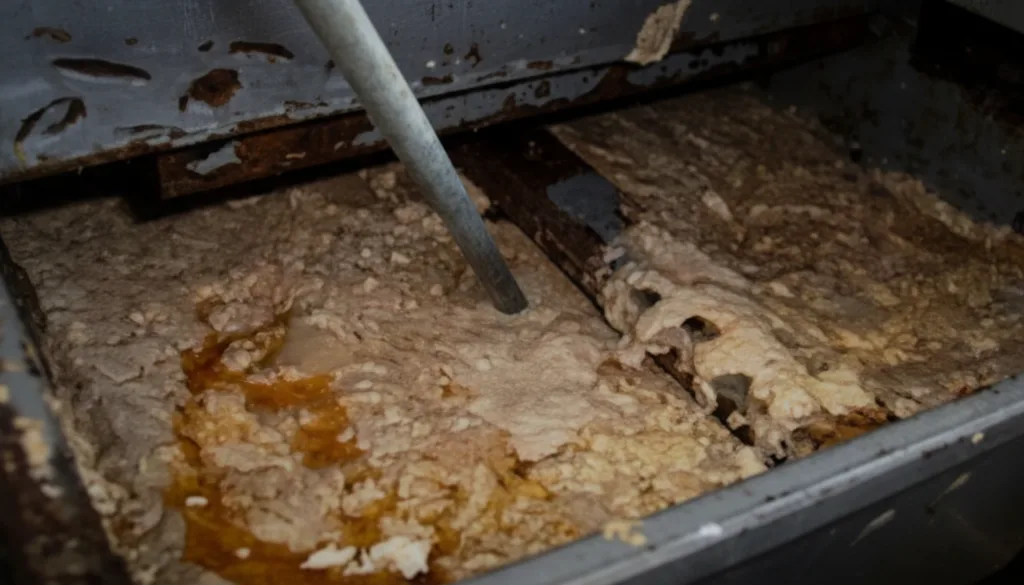
Your grease trap collects fats, oils, and grease before they enter the sewer system. When it’s full or blocked, water backs up into sinks, dishwashers stop draining, and your kitchen grinds to a halt. Commercial kitchens are required by law to maintain functional grease traps. Emergency cleaning gets you operational again, fast.
When Regular Maintenance Becomes an Emergency
Most restaurants schedule grease trap service every few weeks or months depending on volume. You book it during slow hours, and the technician empties the trap before it becomes a problem. Emergency cleaning happens when you skip maintenance or face unexpected circumstances.
A trap that’s 75% full doesn’t become a problem until it hits 90%, then suddenly it’s backing up. The difference between regular maintenance and emergency service is timing. The real difference is what it costs you.
Kitchens in Abbotsford, Chilliwack, Mission, and throughout the Fraser Valley rely on functional grease traps to stay open. When your trap fails during Saturday dinner rush, you’re not thinking about preventive maintenance. You’re thinking about the money you’re losing every minute.
What Triggers Emergency Grease Trap Service
Heavy volume periods overwhelm undersized or poorly maintained traps. A restaurant getting by with monthly service suddenly has a busy holiday season. The trap fills faster than expected, and water backs up during your busiest service.
Blockages happen without warning. Large volumes of grease or accumulated solids block the outlet baffle. Your kitchen backs up and you need emergency service.
Equipment malfunctions create emergencies. Mechanical grease traps have moving parts that fail. When these systems stop working during business hours, you’re calling for emergency service.
Forgotten maintenance schedules are the most common cause. Your service is overdue, nobody scheduled it, and now you’re dealing with consequences during peak hours.
The Real Cost of Emergency Service
Emergency grease trap cleaning costs more than scheduled service. Technicians charge premium rates for after-hours calls and immediate response.
Lost revenue during downtime exceeds the service fee. If your kitchen is down for two hours during dinner service, calculate the money you’re not making. Add the customers you’ve turned away and the staff you’re still paying.
Health code violations carry their own costs. Operating with a non-functional grease trap violates health codes. If an inspector shows up, you’re looking at fines and possibly a temporary closure.
Staff and customer disruption affects your business. A kitchen backing up during service creates chaos. Even after service resumes, you’ve lost momentum.
How Emergency Service Works
You call a service provider offering 24/7 emergency response. They send a crew immediately or as soon as possible.
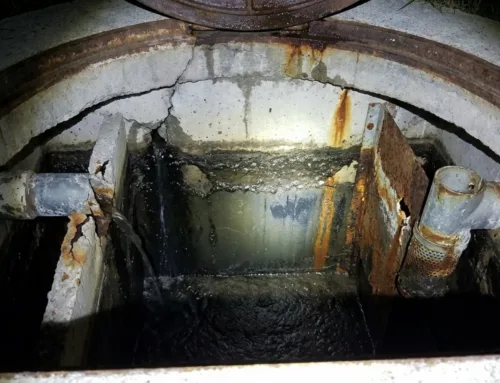
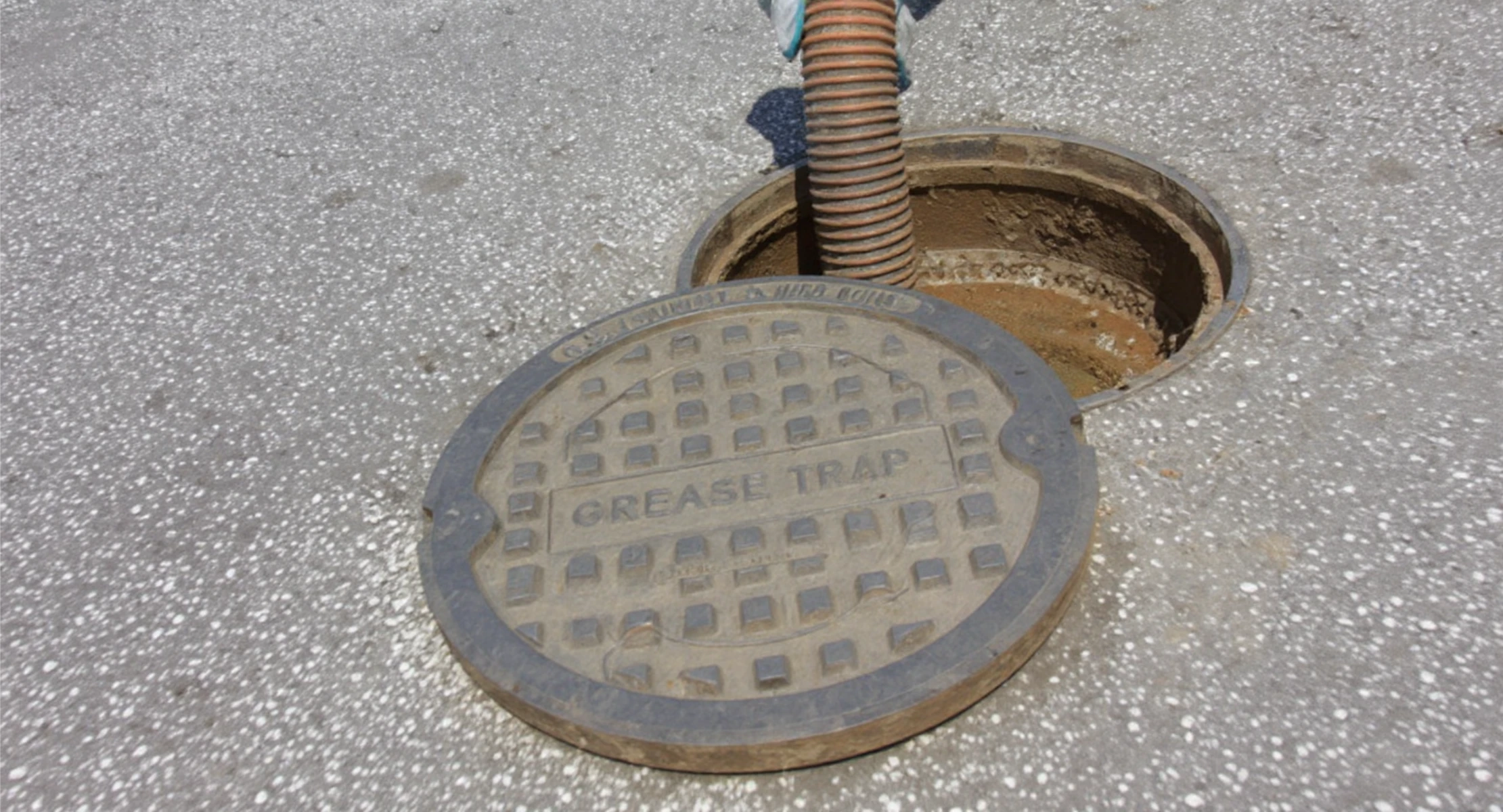
The technician arrives with a vacuum truck and pumping equipment. They pump out the trap, check for blockages or damage, and get your system functional. Emergency cleaning focuses on restoring function so you can continue operating.
Good emergency service gets you operational in an hour or two. Fast response is what you’re paying for with emergency rates.
After emergency service, you schedule regular maintenance to avoid repeating the situation. Most providers use the emergency call to set up a proper maintenance schedule.
Prevention Beats Emergency Every Time
Regular scheduled service costs a fraction of emergency calls. Know your trap size and kitchen volume. Schedule service before you need it. Track how quickly your trap fills and adjust accordingly.
Monitor warning signs. Slow draining sinks mean your trap is getting full. Foul odors indicate accumulated grease breaking down. Water backing up during heavy use shows you’re approaching capacity. Any of these signs mean schedule service immediately.
Staff training matters. Make sure your kitchen staff knows not to pour grease directly down drains, to use sink straps to catch food waste, and to notify management when they notice drainage issues. Proper kitchen waste management prevents many grease trap problems.
Some restaurants in Langley and Hope maintain backup plans for grease trap emergencies. They have a service provider’s emergency number posted in the kitchen. This preparation doesn’t prevent emergencies, but it reduces downtime when they happen.
Understanding how grease traps work and maintaining them properly keeps your kitchen running. Emergency cleaning exists because people need it, but you don’t want to be the one calling for it during your busiest night.