The Importance of Perimeter Drainage
What Perimeter Drainage Actually Does
Perimeter drainage is a network of pipes buried around your home’s foundation that collects groundwater and directs it away from your house. The system typically sits at the base of your foundation, wrapped in gravel and filter fabric to catch water before it can seep into your basement or crawl space.
Think of it as a moat in reverse. Instead of keeping water in, you’re actively pushing it out and away from where you live. The pipes have small perforations that let water in, then gravity does the rest by carrying it to a safe discharge point like a storm drain, ditch, or dry well.
Most homes built after the 1950s have some form of perimeter drainage, though quality and condition vary wildly. Older systems used clay tiles that crack and collapse over time. Modern installations use corrugated plastic pipes that hold up better but still need attention.
Three things to know:
- Perimeter drainage systems channel water away from your foundation before it can cause damage.
- In the Fraser Valley’s wet climate, poor drainage leads to flooded basements, foundation cracks, and soggy yards that never dry out.
- A working system saves you from expensive foundation repairs and keeps your property from turning into a swamp.
Why the Fraser Valley Makes This Matter More
We get rain. Lots of it. Abbotsford, Chilliwack, Mission, and the surrounding areas see heavy precipitation from October through April, and the soil here doesn’t always drain quickly. Clay-heavy soil holds water like a sponge, which means all that moisture sits around your foundation looking for a way inside.
When your perimeter drainage fails or never existed in the first place, water has nowhere to go except against your foundation walls. Hydrostatic pressure builds up, forcing water through any crack, gap, or porous section of concrete. That’s how you end up with damp basements, mold problems, and structural damage that costs serious money to fix.
The water table in parts of the Fraser Valley sits high, especially during wet seasons. Properties near rivers, streams, or low-lying areas face extra challenges. Your perimeter drainage system fights a constant battle against rising groundwater trying to invade your home.
Signs Your Drainage System Isn’t Working
You don’t need to dig up your yard to know something’s wrong. Water in your basement or crawl space after heavy rain is the obvious red flag. But other signs show up earlier if you’re paying attention.
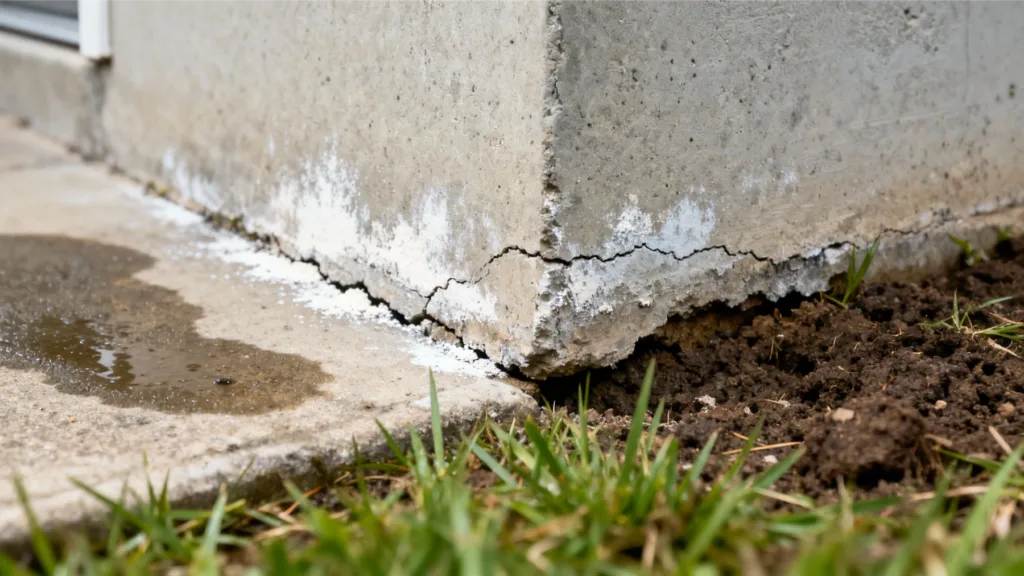
Cracks in your foundation walls often start small and widen over time as water pressure does its work. You might notice efflorescence (that white, chalky residue on concrete) where water has been leaching minerals out of your foundation. Musty smells in the basement mean moisture is getting in somewhere.
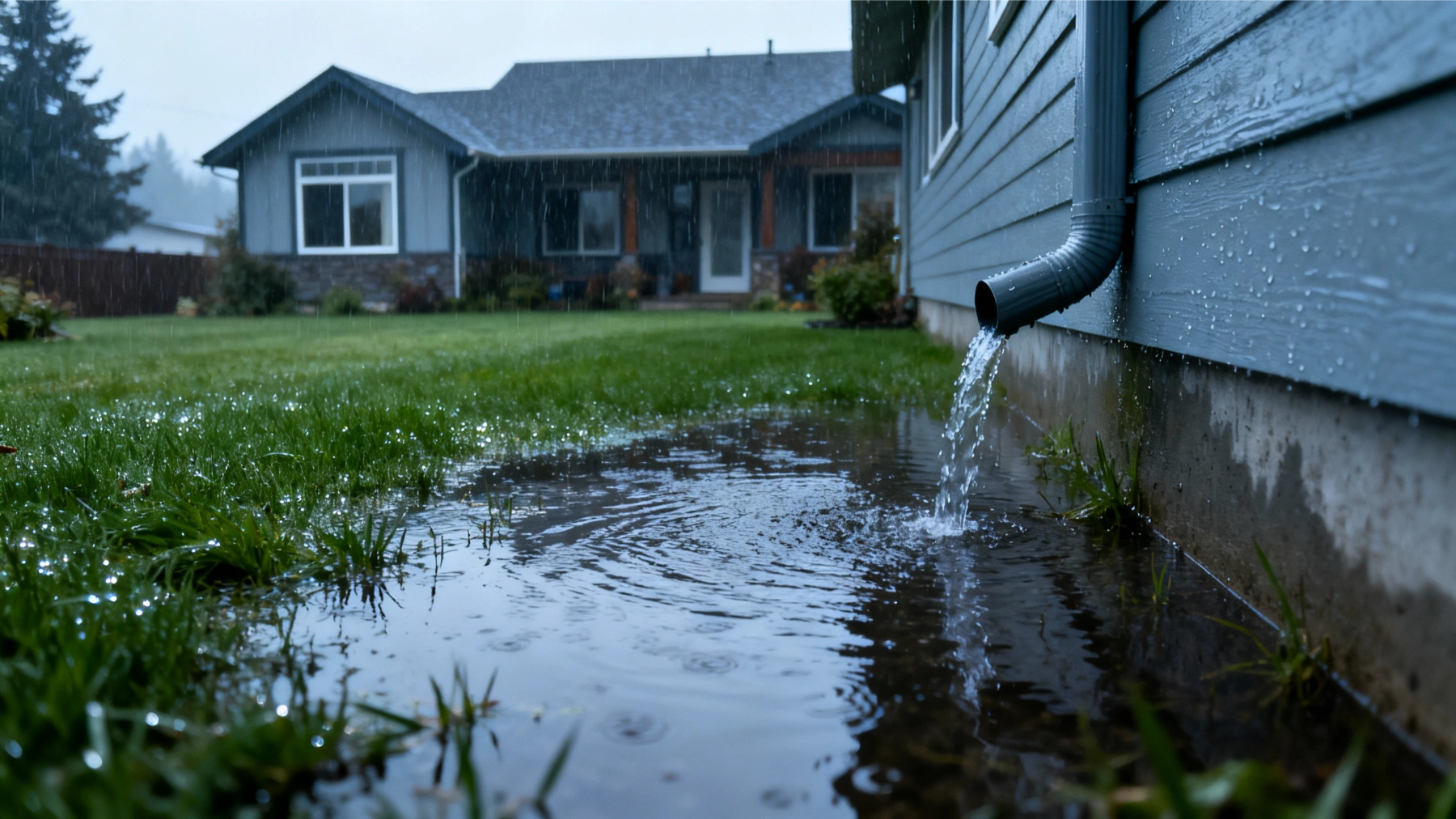
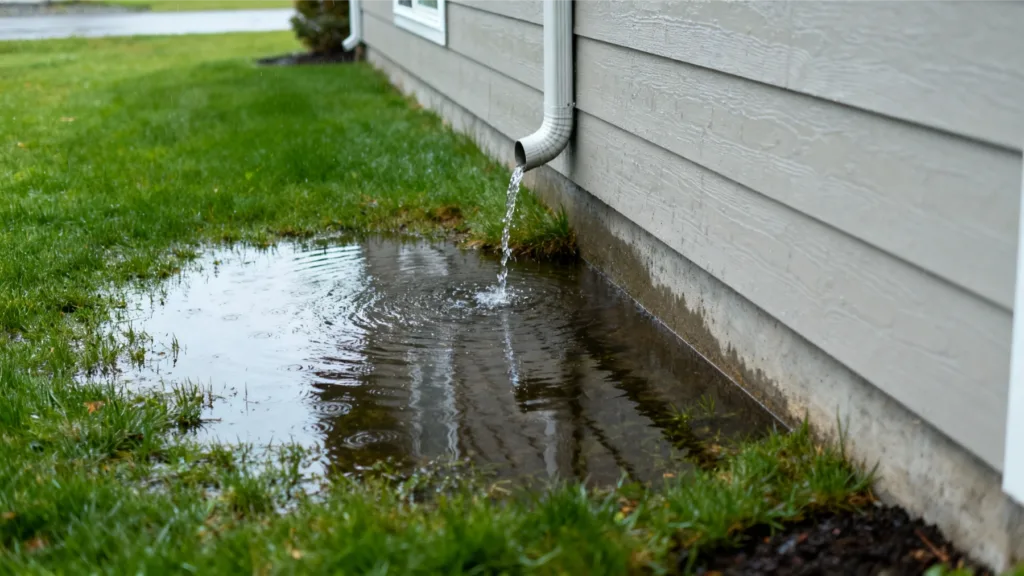
Outside, look for pooling water next to your foundation that doesn’t drain within a few hours of rain stopping. Soggy patches in your yard, sinking soil near the house, or erosion around the foundation all point to drainage problems. Your gutters and downspouts play a role too, but they’re not a substitute for proper perimeter drainage.
If you’re noticing slow drains or septic system issues that seem worse during wet weather, saturated soil could be affecting your drain field performance. Water can’t filter through soil that’s already waterlogged, which creates problems for your entire septic system.
How It Connects to Your Septic System
Your perimeter drainage and septic system need to stay separate, but they’re both fighting the same battle against excess water. When your property has poor drainage overall, it affects everything underground.
A saturated drain field can’t do its job of filtering effluent through the soil. If your perimeter drainage dumps water near your septic system’s drain field, you’re creating problems. The systems need to work together without interfering with each other, which means proper planning and installation matter.
During septic inspections, technicians look at overall site drainage because it affects system performance. Standing water, poor grading, and failing perimeter drains all factor into how well your septic system can function long-term.
What Maintenance Looks Like
Perimeter drainage systems don’t need constant attention, but they’re not install-and-forget either. Over time, the perforations in drainage pipes can clog with silt, roots can invade, and the gravel bed can compress or fill with sediment.
Flushing the system every few years helps clear out accumulated debris. This involves running water through the pipes under pressure to push out blockages. Some systems include cleanout ports that make this easier, though many older installations don’t have them.
Trees and shrubs planted too close to your foundation send roots searching for water, and your drainage pipes are an attractive target. Willows, poplars, and other water-loving species are particularly aggressive. Keep major plantings at least 10 feet from your foundation if possible.
Gutters and downspouts feed into your perimeter drainage system on many properties. If your gutters are clogged with leaves and debris, that water overflows and dumps right next to your foundation, overwhelming the drainage system. Clean gutters twice a year at minimum.
When to Call for Help
Some drainage issues you can spot yourself. Others need professional assessment. If you’re seeing water in your basement, cracks in your foundation, or persistent moisture problems, don’t wait for it to get worse. Foundation repairs cost exponentially more than fixing drainage problems early.
A camera inspection can show you what’s happening inside your drainage pipes without digging up your yard. This helps identify root intrusion, collapsed sections, or clogs that are restricting flow. Knowing exactly where the problem sits saves time and money on repairs.
Emergency situations sometimes involve both drainage and septic issues happening at once, especially during heavy rain events. When water has nowhere to go, systems back up and properties flood. Having professionals who understand the whole picture helps solve problems faster.
Prevention Beats Repair Every Time
Grade your property so water flows away from your house, not toward it. The ground should slope at least 6 inches over the first 10 feet from your foundation. This simple bit of landscaping prevents a lot of drainage headaches.
Extend downspouts at least 5 feet from your foundation. Those little splash blocks aren’t enough during heavy Fraser Valley rains. You want water deposited well away from your house where it can soak into the ground harmlessly.
Keep an eye on your property after storms. Walk around your foundation and note where water collects or drains slowly. These wet spots tell you where problems are developing before they become serious. Fix small drainage issues now instead of dealing with foundation damage later.
For properties in Abbotsford, Chilliwack, Mission, Langley, or Hope, Valley Septic understands local soil conditions and drainage challenges. We see how water moves through Fraser Valley properties and what happens when drainage systems fail. Taking care of water management now saves you from dealing with much bigger problems down the road.
Your home sits on ground that wants to be wet for half the year. Give that water somewhere to go besides your basement, and you’ll avoid most of the expensive drama that comes with foundation and moisture problems. Perimeter drainage isn’t exciting, but it’s the difference between a dry home and one that’s slowly rotting from the ground up.