Top 3 Tips for Winter Septic Tank Services
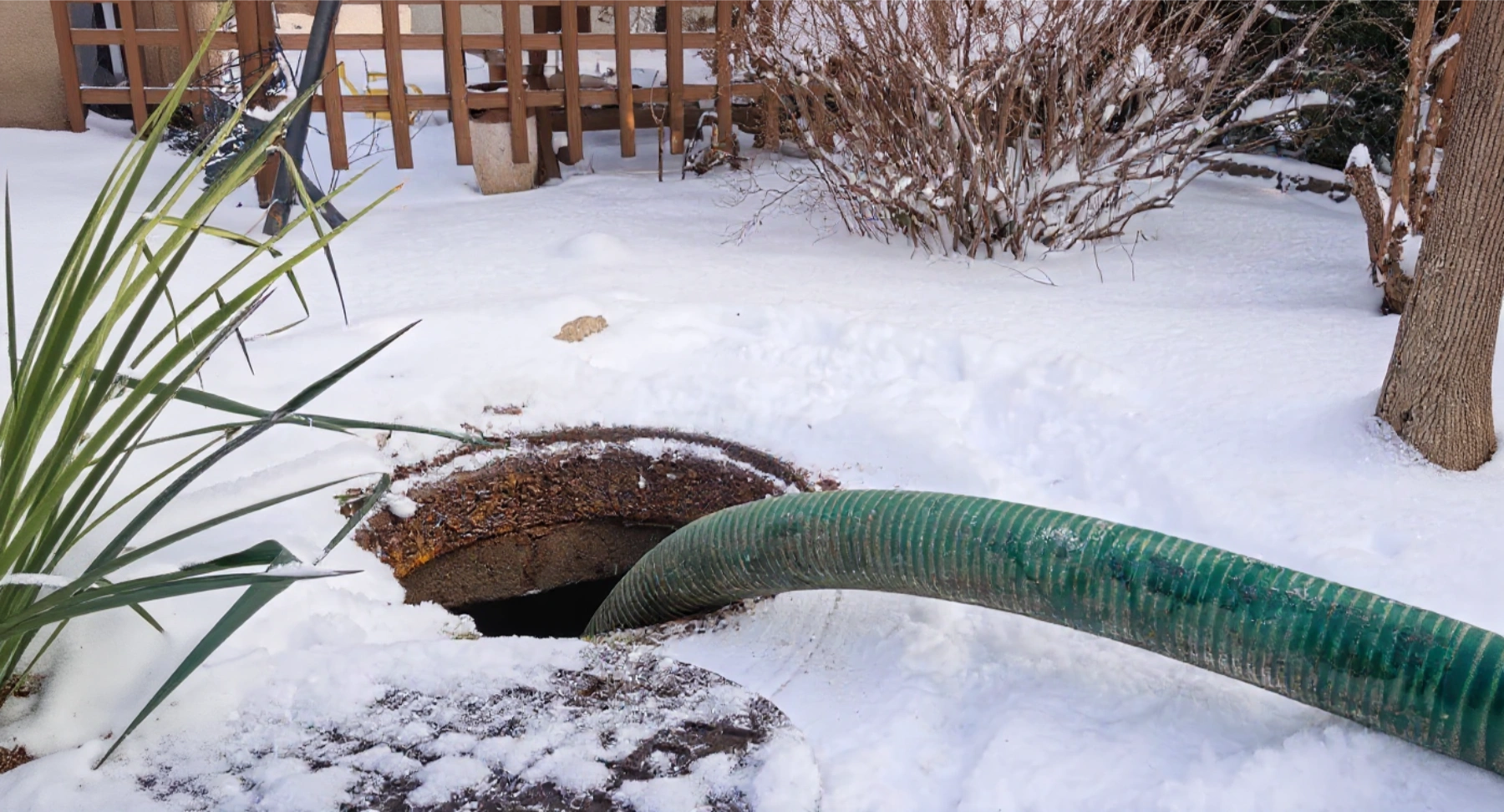
Winter in the Fraser Valley doesn’t mess around. When temperatures drop and the ground freezes, your septic system faces challenges that don’t exist during the rest of the year. Discovering a septic problem in January is nobody’s idea of a good time.
Your septic tank works through biological processes. Bacteria break down waste, and everything flows through a careful balance. Cold weather slows all of this down. When the ground freezes, bacteria get sluggish and your drain field can freeze. The system that quietly handled everything all year decides to stage a winter rebellion.
Most winter septic disasters are preventable. You just need to understand how your system responds to cold weather and take a few practical steps before the first hard freeze hits.
Keep Water Flowing (But Not Too Much)
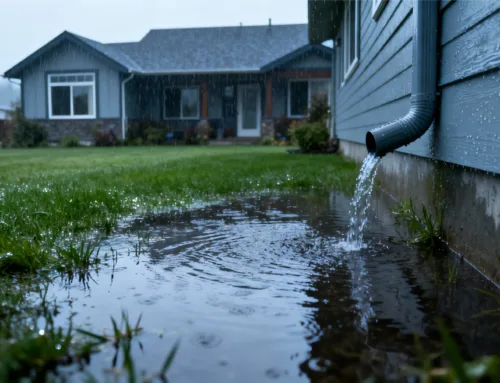
Here’s something that sounds counterintuitive: running water through your system actually helps prevent freezing. When water moves through pipes and into your tank, it generates a tiny bit of heat. That warmth, combined with bacterial activity, keeps things from turning into ice.
This doesn’t mean leaving taps running. Regular household water use keeps your system active. If you’re leaving your property vacant for extended periods, that’s when problems develop. An unused septic system in freezing weather stops working.
For homes in Abbotsford, Chilliwack, or Mission where temperatures regularly drop below freezing, consistent water use matters. If you’ll be away for weeks, have someone run water periodically or get your tank serviced beforehand.
The flip side is that too much water overwhelms your system in winter. When the ground is frozen, processing takes longer. Spreading out laundry loads instead of doing them all in one day makes a difference.
Get Your Tank Pumped Before Winter Hits
A septic tank at full capacity going into winter is asking for trouble. When your tank is close to its limit, there’s less room for settling. Cold weather slows bacteria, which means solids take longer to break down. Less space plus slower processing equals a backup waiting to happen.
Most people throughout the Fraser Valley should pump their tanks every three to five years. But if it’s been a while and winter is approaching, getting it done in fall is smart. A properly pumped tank handles the slower decomposition rates that come with cold weather.
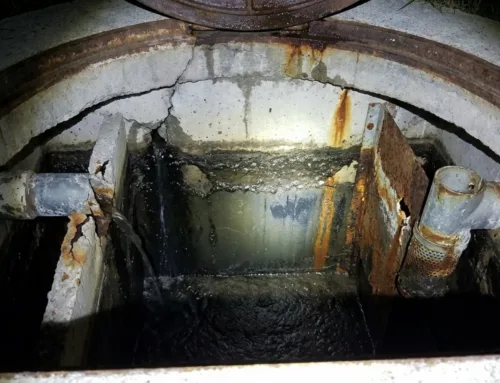
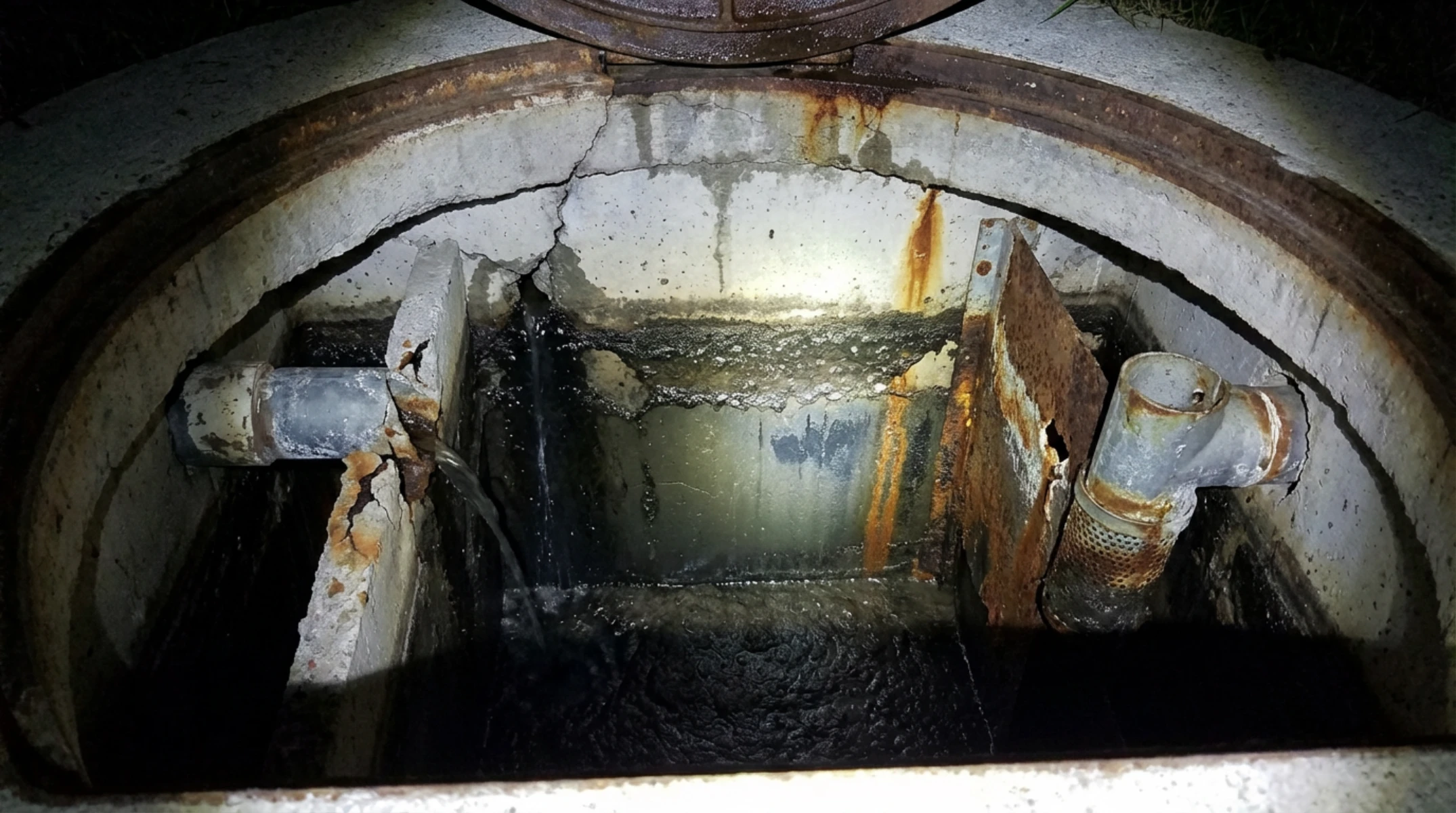
When a technician services your tank, they’re looking at the whole system. They can spot problems like cracks or damaged baffles before they become January emergencies. Think of it like getting your car serviced before a road trip.

Add Insulation Where It Counts
Your septic system has vulnerable points where freezing does the most damage. The area above your tank and the inspection covers are prime targets. If snow cover is light or your tank is in an exposed location, adding insulation helps.
A layer of mulch, straw, or leaves spread over your tank area creates natural insulation. Six to twelve inches of organic material traps air and buffers frozen ground from your tank. In the Fraser Valley with regular freeze-thaw cycles, this prevents problems.
For properties with above-ground components like pump chambers or risers, protection matters even more. Insulated covers aren’t expensive, and they prevent freeze damage that leads to cracked pipes or failed pumps.
Never let heavy vehicles park on your drain field during winter. Compression from heavy loads can damage pipes and compact soil. That damage might not show up immediately, but come spring you’ll discover problems that could have been avoided.
The Reality of Winter Maintenance
Nobody wants to think about their septic system until they have to. But spending time in fall prevents spending money in winter. The difference between a system that works smoothly through cold weather and one that fails comes down to preparation.
If your tank is due for pumping, schedule it before temperatures drop. If you notice slow drains or gurgling sounds, don’t wait. These signs suggest your system is already struggling, and winter will make it worse.
Winter septic issues in the Fraser Valley follow predictable patterns. Cold weather slows everything down. Full tanks create backups. Frozen components stop working. These are preventable problems.
Your septic tank responds to physics and biology. Give it what it needs, and it’ll keep working. Ignore it until something breaks, and you’ll learn how important maintenance really was.